Luxury Auto Care for Daily Drivers: Premium Protection for Everyday Use
A daily-driven luxury vehicle lives a harder life than most owners expect. It may spend its weekends parked at a nice restaurant or a country club, but Monday through Friday it fights the same enemies as every other car on the road: brake dust, construction grit, sprinkler water, UV exposure, spilled coffee, denim dye, sunscreen, door handles, kids’ backpacks, and the occasional careless parking lot neighbor.
The difference is that luxury finishes often make the damage more visible and more expensive to correct. Soft black paint on a German sedan can show wash marks after one careless hand wash. Open-pore wood trim can stain if treated like ordinary plastic. Piano black interior surfaces can look scratched after a month of dry wiping. Matte paint, carbon fiber trim, full-grain leather, and forged wheels all demand a more deliberate approach.
That is where luxury auto care for daily drivers becomes less about pampering and more about preservation. The goal is not to turn a commuter car into a garage queen. The goal is to protect the car investment while keeping it enjoyable, presentable, and easy to maintain through real use.
Daily use changes the standard of care
A show car can be cleaned slowly, under ideal lighting, with every process scheduled around weather and storage. A daily driver is different. It may be washed after a rainy commute, wiped down before a client meeting, or cleaned in a driveway while pollen is still falling. It has to survive airport parking, winter roads, valet lanes, summer heat, and the occasional drive-through car wash temptation.
Good daily driver detailing respects that reality. It builds protection into the vehicle so maintenance becomes simpler and safer. A ceramic-coated SUV is easier to rinse clean after a highway trip. A properly protected leather seat resists dye transfer better. A wheel coating makes brake dust less stubborn, which matters on performance brakes that can turn silver wheels charcoal gray in a few days.
Luxury vehicles also tend to combine materials that age differently. A base commuter car may have durable plastic panels and simple cloth seats. A premium daily driver might have semi-aniline leather, Alcantara inserts, polished metal, touchscreen glass, piano black trim, suede-like headliners, soft exterior paint, and intricate wheels with tight spoke gaps. Treating every surface the same way is how damage begins.
The best care plans are built around the way the car is actually used. A Range Rover that carries children, dogs, and sports gear needs a different approach than a Porsche 911 used for three office commutes a week. A black Mercedes S-Class parked outdoors needs different protection than a silver Lexus kept in a climate-controlled garage. The badge matters less than the conditions.
What “luxury auto care” really means
Luxury auto care is often misunderstood as simply a more expensive wash. In practice, it means using the correct products, methods, and timing for high-value materials. It also means knowing when not to chase perfection.
I have seen owners spend heavily on paint correction too early, then maintain the vehicle with poor wash habits and reintroduce swirl marks within two months. I have also seen owners delay protection because the vehicle was “just a daily,” only to face etched water spots, pitted front bumpers, stained leather bolsters, and wheels that never looked clean again. Neither approach is ideal.
A proper premium care strategy starts with inspection. Paint thickness, panel condition, previous polishing, existing coatings, film edges, wheel finish, interior materials, and usage patterns all matter. A luxury sedan with 8,000 miles may look nearly new under showroom lighting, yet inspection lights can reveal heavy marring from dealership washes. A two-year-old exotic used as a daily may have fewer miles but more vulnerable finishes, especially around carbon fiber, lower rocker panels, and wide rear fenders.
The work then becomes selective. Not every car needs multi-stage paint correction. Not every driver needs the longest-lasting ceramic coating on the market. Not every leather seat should be aggressively cleaned. Professional judgment is the difference between care and overprocessing.
Paint protection for cars that actually leave the garage
The paint on a daily driver faces constant abrasion. Dust lands on the surface, moisture binds it, and every contact event risks dragging contamination across the clear coat. Even high-end paint is not immune. In fact, some luxury and performance vehicles have relatively soft clear coats that mar easily, while others have harder finishes that resist light wash marks but require more effort to correct.
Paint protection usually falls into three practical categories: waxes and sealants, ceramic coatings, and paint protection film. Each has a place.
Traditional waxes can still make sense for owners who enjoy frequent hands-on maintenance, but they are not the most durable choice for a daily-driven luxury vehicle. Many waxes look warm and rich, especially on darker colors, yet they struggle against repeated detergents, heat, and weather. Synthetic sealants last longer and provide slickness, but they still require regular reapplication.
Ceramic coatings provide a harder, more chemically resistant sacrificial layer. They do not make paint scratch-proof, despite what some marketing suggests, but they help reduce staining, make washing easier, and improve resistance to environmental fallout. On a daily driver, that ease of cleaning is often the biggest advantage. A coated surface releases grime faster, which means less scrubbing and less contact.
Paint protection film, often called PPF, offers the strongest defense against rock chips and road rash. It is especially valuable on front bumpers, hoods, mirror caps, rocker panels, door cups, and loading areas. For high-impact zones, film can prevent the kind of damage that no coating can stop. The trade-off is cost, installation quality, edge visibility, and eventual replacement. Good film installed by a skilled technician can look excellent for years. Poor film can trap dirt at edges, lift around complex curves, or dull the appearance of a premium paint finish.
For many daily drivers, the best answer is a combination: film on impact areas, coating over exposed paint and sometimes over the film, plus careful maintenance. A full-body film wrap may be justified on a rare exotic or a very expensive custom paint finish, but on a leased executive sedan it may not make financial sense. Protect the areas that take abuse first.
The case for correcting paint before protecting it
Protection locks in the current condition. That can be good or bad. Applying a coating over clean, well-prepared paint preserves clarity and depth. Applying it over wash marks, oxidation, water spotting, or dealership-installed holograms simply makes those defects easier to see.
Paint correction is the controlled removal of small amounts of clear coat to level defects. On a luxury daily driver, the purpose is usually refinement, not perfection at any cost. A single-stage polish may remove light marring and restore gloss without cutting deeply. A multi-stage correction may be appropriate for darker vehicles, neglected paint, or owners who expect a near-flawless finish.
The key is restraint. Clear coat is finite. A professional detailer should measure paint where appropriate, test polish combinations, and choose the least aggressive method that delivers the desired result. This matters on daily drivers because they will continue to see road use. Removing too much clear coat to chase one deeper scratch on a door may be a poor decision if the car will spend the next five years in city parking.
A practical standard works best: remove the defects that dull the finish and distract the eye, improve gloss substantially, then protect the surface. Deep isolated scratches can often be improved without being fully removed. That judgment preserves long-term paint health.
Wheels, brakes, and the dirty reality of performance
Luxury and performance vehicles often produce heavy brake dust. Large brake pads, aggressive compounds, and open wheel designs can create a constant cleaning challenge. On some European sedans and SUVs, wheels can look dirty within 100 to 200 miles of city driving. If left in place, brake dust can bond to the finish, especially when heat cycles bake it on.
Wheel finishes vary widely. Gloss painted, satin, matte, polished, chrome, anodized, and diamond-cut wheels all respond differently to chemicals and brushes. Acidic wheel cleaners can work quickly but may damage sensitive finishes if used carelessly. Strong alkaline products can stain raw or compromised surfaces. A safe process begins with the mildest cleaner that does the job, adequate dwell time, soft tools, and thorough rinsing.
Coating wheels is one of the most practical upgrades for daily driver detailing. A dedicated wheel coating helps brake dust release more easily and reduces the need for aggressive chemicals. It will not keep wheels clean indefinitely, but it can turn a miserable chore into a manageable weekly rinse and wash.
Tires deserve attention as well. Cheap, greasy tire dressings sling onto paint and attract dirt. A quality water-based dressing gives a clean satin appearance and avoids the overdone shine that looks out of place on a refined vehicle. On luxury cars, restraint almost always looks better.
Interior protection is where daily comfort meets resale value
The interior is where the owner touches the car every day. It is also where small habits create visible wear. Sliding across a leather bolster, resting sunscreen-coated arms on a door panel, wiping dust from piano black trim with a dry cloth, placing keys in a cup holder, or letting hand lotion build up on a steering wheel all leave evidence.
Leather care is a good example of why luxury detailing differs from ordinary cleaning. Most modern automotive leather is coated, meaning the protective topcoat needs cleaning and preservation more than the hide itself needs heavy conditioning. Over-conditioning coated leather can leave residue, attract dirt, and create a shiny appearance. High-end interiors need gentle cleaning at regular intervals, not aggressive rescue work after years of neglect.
Semi-aniline leather and certain premium finishes require more caution. They may feel softer and more natural, but they can stain more easily. Light-colored seats, especially ivory, cream, silver, and parchment tones, show denim transfer quickly. Once dye migrates into the surface, removal becomes more difficult and sometimes impossible without risk.
A sensible interior protection plan focuses on touch points. Driver’s seat bolsters, steering wheel, armrests, door pulls, center console, seat controls, and infotainment screens see constant use. Protective coatings for leather and textiles can buy time against spills and dye transfer. They are not force fields, but they make cleaning safer when incidents happen.
I often advise owners of light interiors to keep a small microfiber towel in the glovebox, not for dry wiping dust, but for emergencies. If coffee splashes on a console or rainwater hits a leather seat, blotting quickly can prevent a minor moment from becoming a permanent mark.
Matte paint, satin trim, and other special cases
Matte and satin finishes require a different mindset. You cannot polish matte paint in the traditional sense without changing the sheen. That makes prevention critical. A bird dropping, water spot, or greasy fingerprint left too long can create a visible stain that cannot be corrected like gloss paint.
Matte-safe wash products, dedicated sealants or coatings, and careful drying methods are essential. Paint protection film is often a wise choice for matte vehicles, particularly on front ends and high-touch areas. Film can preserve the finish while maintaining the intended appearance, provided the film itself has the correct sheen and is installed properly.
Piano black trim is another common frustration. It scratches if you look at it wrong, or at least it feels that way. The glossy black pillars on many luxury SUVs and sedans can become swirled after a few washes. Interior piano black around shifters and screens is equally delicate. The safest approach is minimal contact, clean microfiber, light pressure, and protective film where appropriate. Some owners choose to have high-wear interior gloss trim wrapped with clear film. It is not glamorous, but it works.
Carbon fiber needs its own consideration. Exterior carbon pieces usually have a clear coat, which can oxidize or fail if neglected. Interior carbon trim may scratch, haze, or delaminate if treated with harsh chemicals. Use products suited to the actual finish rather than assuming the material underneath dictates the care.
Washing a luxury daily driver without causing damage
Most visible paint damage comes from washing and drying, not from driving. That surprises owners, but it becomes obvious under inspection lighting. Circular wash marks, straight-line towel scratches, and dull patches often trace back to poor technique.
A safe wash is less about exotic products and more about reducing friction. Pre-rinsing, using proper lubrication, working with clean media, and drying gently all matter. Automatic tunnel washes with spinning brushes are especially risky for dark luxury paint. Touchless washes avoid brushes but often rely on stronger chemicals and may not remove bonded grime. They can be useful in winter as an undercarriage rinse or emergency clean, but they should not replace proper maintenance.
A professional hand wash should include wheels first, thorough rinse, foam or pre-wash where useful, contact wash with clean mitts, panel-by-panel work, and careful drying with soft towels or filtered air. The details matter. Dropping a mitt on the ground should end its use until washed. One towel should not dry the entire vehicle if it becomes saturated or contaminated. Door jambs, fuel doors, trunk edges, and lower panels need separate towels to avoid dragging grit onto upper paint.
For owners maintaining their vehicles at home, consistency beats complexity. Wash in shade. Let panels cool. Use quality microfiber. Avoid circular scrubbing. Clean the dirtiest areas last. Do not chase every water droplet with pressure if the towel is no longer clean.
How often should a premium daily driver be detailed?
Frequency depends on mileage, storage, climate, and owner expectations. A garaged luxury sedan driven 6,000 miles a year may need a careful maintenance wash every two to three weeks and a professional detail twice a year. affordable paint protection film Los Angeles A black performance SUV driven 18,000 miles a year through winter weather may need weekly or biweekly washes, quarterly decontamination checks, and annual coating inspections.
The term “detail” can mean many things, so it helps to separate maintenance from restoration. Maintenance washes preserve the condition. Decontamination removes bonded contaminants such as tar, iron particles, and mineral deposits. Interior maintenance prevents buildup. Paint correction restores gloss after damage has occurred. Coating maintenance keeps protection performing properly.
A realistic annual rhythm for a daily-driven luxury car might look like this:
- Maintenance wash every one to three weeks, adjusted for weather and mileage
- Interior touch-point cleaning monthly, with deeper cleaning every three to six months
- Paint decontamination once or twice a year, depending on exposure
- Professional inspection of coatings, film, wheels, and trim at least annually
- Paint correction only when defects justify it, not automatically every year
That schedule is not rigid. Coastal salt air, hard water sprinklers, industrial fallout, tree sap, and winter brine can shorten intervals. A car parked outdoors under trees will need more attention than one stored indoors. The right frequency reveals itself when you inspect the surfaces honestly rather than follow a generic calendar.
Exotic cars used as daily drivers
A detail for exotic cars requires a sharper eye, even when the car is used like normal transportation. Low ground clearance, wide tires, sticky rubber, large vents, carbon ceramic brakes, soft paint, composite panels, and complex aerodynamics create specific challenges. Many exotic cars throw debris onto their own rear haunches. Some collect dirt inside vents and ducts. Others have delicate engine bay finishes that should not be soaked casually.
Daily-driven exotics are not rare anymore. I have seen McLarens, Ferraris, Lamborghinis, Aston Martins, and high-end Porsches used for commuting, school runs, and weekend errands. Owners who drive them often usually understand the trade-off. They accept some wear in exchange for enjoyment. The detailer’s job is to reduce unnecessary damage without making the car inconvenient to use.
Paint protection film is especially valuable on exotics because panel shapes and tire placement often invite stone impact. Rocker panels, lower doors, rear quarter panels, front lift areas, and carbon splitters deserve careful inspection. Film patterns should be chosen thoughtfully. Bulk installation can reduce visible seams, but it requires skill. Pre-cut kits can be safer around sensitive panels, but may leave edges exposed. The best choice depends on the car, the installer, and the owner’s tolerance for visible lines.
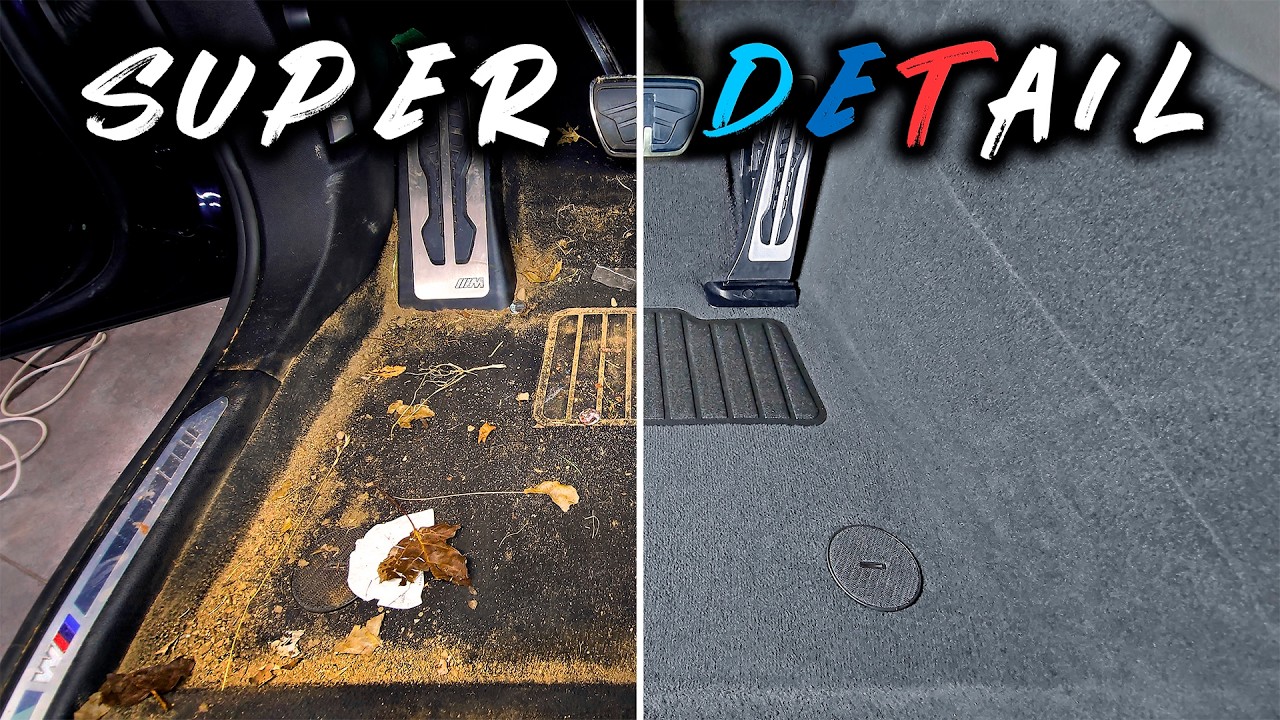
Interior care also changes with exotics. Alcantara steering wheels and seat inserts can mat down from skin oils. Carbon buckets can scuff at entry points. Low seating positions encourage bolster wear. Door sills and kick panels take abuse because getting in and out is less graceful than owners like to admit. Protective film on carbon sills and regular cleaning of suede-like materials can make a noticeable difference.
The economics of protecting a car investment
Owners often ask whether premium detailing is “worth it.” The honest answer depends on the vehicle, how long it will be kept, and what condition matters to the owner. Not every service pays back dollar for dollar at resale. Some value is financial, some is practical, and some is simply the pleasure of driving a car that feels cared for.
Still, condition affects value. A luxury car with etched paint, stained seats, cloudy trim, curb-rashed wheels, and neglected film will be judged accordingly. On higher-end vehicles, buyers expect documentation and visible care. A well-maintained finish can support stronger resale, reduce lease-end disputes, and prevent costly cosmetic repairs.
Protection can also reduce maintenance labor. If a ceramic coating cuts wash time from two hours to one hour and reduces the need for aggressive cleaning, that has real value over several years. If PPF prevents repainting a front bumper on a special-order color, the savings may exceed the film cost. If leather protection prevents dye transfer on a light interior, it can preserve the cabin’s appearance for years.
The trade-off is upfront expense. A proper paint correction and coating can cost significantly more than a basic detail. Quality film installation costs more than many owners expect because the labor is painstaking. The cheapest option is rarely the best value if it fails early, looks poor, or damages surfaces during installation.
A practical way to think about investment is to match protection to risk. High-impact areas deserve the strongest defense. High-touch interior areas deserve regular cleaning and protection. Low-risk areas may only need routine maintenance. Spending intelligently beats spending broadly.
Dealership detailing is not always enough
Many luxury cars receive their first damage before delivery. That sounds harsh, but dealership wash processes are often built for speed, not perfection. A vehicle may be washed multiple times while in inventory. It may be wiped down dry for photos. Protective shipping film may leave adhesive residue. Lot dust may be removed with tired towels.
Some dealerships have excellent in-house detailers, but many do not allocate the time required for careful correction and protection. New car prep can hide issues with glaze or quick dressing. Under sunlight or inspection lighting, swirls, buffer trails, water spots, and towel marks may appear.
For a new luxury daily driver, an early professional inspection is worthwhile. If the paint is in good condition, light polishing and protection can start the ownership experience properly. If defects exist, they can be documented and addressed before they become part of the car’s history. This is especially important for black, dark blue, and other deep gloss finishes that reveal every shortcut.
What to ask before choosing a detailer
A premium vehicle does not automatically need a famous shop, but it does need a careful one. The right detailer should be comfortable explaining process, risks, and expected results. They should ask about how the car is used, not just quote a package. They should understand material differences and avoid promising impossible outcomes.
Useful questions include:
- What level of paint correction is appropriate for this vehicle’s condition and use?
- Which areas would you protect with film or coating first if the budget is limited?
- How do you handle matte paint, carbon fiber, piano black trim, or semi-aniline leather?
- What maintenance routine do you recommend after the service?
- What results should I not expect from this product or process?
The last question may be the most revealing. A trustworthy professional will tell you that coatings do not prevent rock chips, film can still be damaged, leather coatings do not stop all staining, and polishing cannot safely remove every scratch. Confidence is good. Overpromising is not.
Look for clean work habits, proper lighting, thoughtful inspection, and clear aftercare instructions. High-end detailing is not magic. It is disciplined process.
Climate, parking, and lifestyle matter more than the logo on the hood
A luxury vehicle in Arizona bakes under intense UV and heat. A car in the Northeast faces salt, brine, and freeze-thaw cycles. A coastal car deals with salt air and humidity. A city car collects brake dust, soot, and parking scuffs. A suburban car may suffer from sprinklers, tree sap, pollen, and kids’ gear.
The same model can need different care in different environments. Hard water is one of the most underestimated threats. Sprinkler water that dries on hot paint can etch mineral deposits into glass and clear coat. Bird droppings can stain quickly, especially in heat. Tree sap can harden and require careful removal. Road paint, tar, and construction overspray need prompt attention before they bond.
Parking habits matter too. Covered parking reduces UV exposure and contamination. Avoiding sprinklers may save more paint damage than any boutique wax. Leaving extra space in parking lots protects doors and bumpers. Small choices compound over years.
The best detailing plan works with the owner’s lifestyle. A parent with two children does not need a fragile interior routine that collapses after one soccer practice. A sales executive who drives clients needs a cabin that stays consistently presentable. An enthusiast with a weekend wash ritual may enjoy a different product stack than someone who wants professional maintenance only. Luxury care should support use, not create anxiety.
When perfection becomes the wrong goal
There is a point where chasing perfection can make a daily driver less enjoyable. If every small mark feels like failure, the car becomes a burden. Premium protection should create confidence. It should make the vehicle easier to use, easier to clean, and slower to age.
This is especially true for owners who love driving. A protected front end may still collect a nick eventually. A leather bolster may still crease. Wheels may still pick up tiny chips. The goal is not to freeze the car in delivery-day condition forever. The goal is to manage wear intelligently and prevent avoidable damage.
A healthy approach distinguishes patina from neglect. Light creasing on quality leather is normal. Deep grime in the grain is neglect. A few tiny film marks after thousands of highway miles are normal. Unprotected rocker panels sandblasted by sticky tires are preventable. A faint wash mark here and there may happen over time. Heavy swirling from careless washing is avoidable.
Luxury cars are built to be driven. Proper care honors that purpose.
A practical ownership mindset
The owners who keep daily-driven luxury cars looking best tend to follow a few consistent habits. They protect vulnerable areas early. They wash safely and regularly. They address contamination before it becomes permanent. They avoid harsh chemicals and quick fixes. They work with professionals who understand both appearance and preservation.
They also keep records. Invoices for coatings, film installation, maintenance details, and interior protection can help at resale and guide future service. If a coating was installed two years ago, the next detailer should know what product family it came from and how it has been maintained. If film covers the hood and fenders, future polishing should account for film edges. Documentation prevents guesswork.
For a daily driver, the most valuable service is often not the most dramatic one. A maintenance wash done correctly every two weeks may protect the finish better than an expensive correction followed by months of neglect. A gentle leather cleaning every month may do more for the interior than an aggressive annual scrub. Consistency wins.
Luxury auto care is a partnership between owner, environment, products, and technique. When those pieces align, the car stays sharper with less effort. Paint keeps its depth. Wheels clean more easily. The interior feels fresh instead of worn. The vehicle presents itself well at three years old, five years old, and beyond.
A premium daily driver deserves care that matches how it is used. Not fragile care. Not excessive care. Intelligent care, applied at the right time, to the right surfaces, for the right reasons. That is how you protect car investment without turning ownership into a chore, and it is how a luxury vehicle continues to feel special on an ordinary Tuesday commute.
Phone:
(213) 376-3889
Website:
ceramiccoatpros.com/ceramic-coating-los-angeles-ca/
Ceramic Coat Pros of Hollywood
Santa Monica,
CA
US